
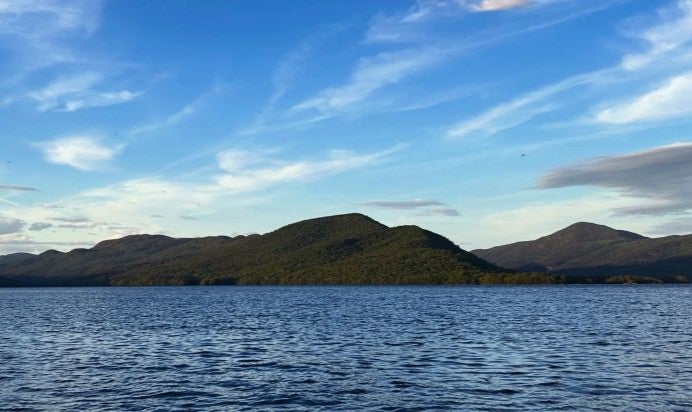
On a hot summer day, you slip into the cool, clear waters of a quiet cove on Lake George. But have you ever wondered what lies beneath the shimmering surface? While the sun warms the upper layer of the lake to the perfect swimming temperature, the water changes dramatically as you descend. With every few feet, it grows colder, creating a hidden world below.
As the water changes, so does the life it supports. Near the warm, sunlit surface, algae and young fish thrive among the light. Deeper down, where sunlight begins to fade, aquatic plants become scarce, and cold-water species like Atlantic salmon and trout glide through the dark, chilly depths.
This gradual transition from the lake's surface to its bottom is more than just a change in temperature, it's essential to the health of Lake George. As the lake's layers mix, nutrients stored in the deep, cold waters are carried upward, nourishing the entire ecosystem. This natural cycle helps sustain the rich diversity of life that makes Lake George such a vibrant and resilient environment.
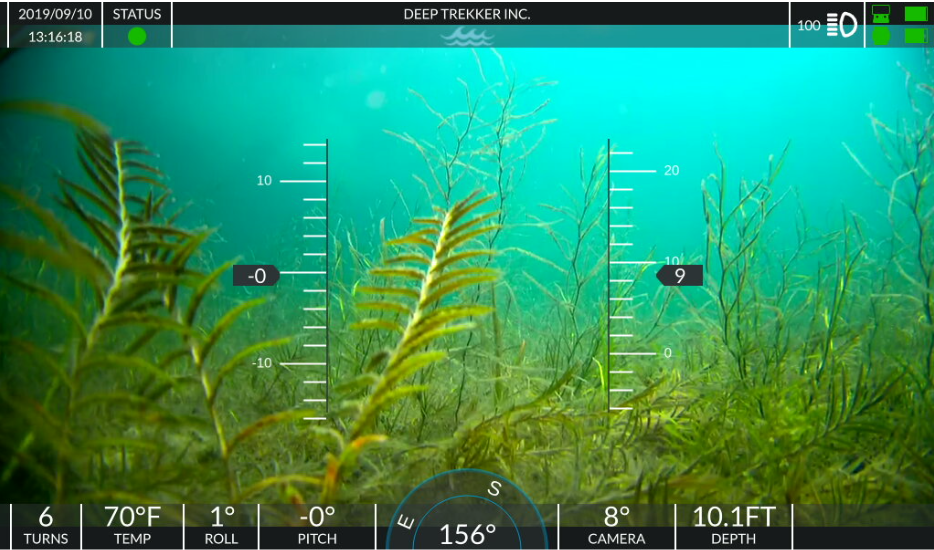
Photo: Dave Winkler
Epilimnion
This is known as the upper most layer of a lake, where the sun penetrates the most. Allowing for forests of aquatic plants like Water Marigold and Northern Pondweed, and where you will find friendly critters like the Northern Map Turtle, or small juvenile Bluegills, and Largemouth Bass swimming between the tall freshwater forests.
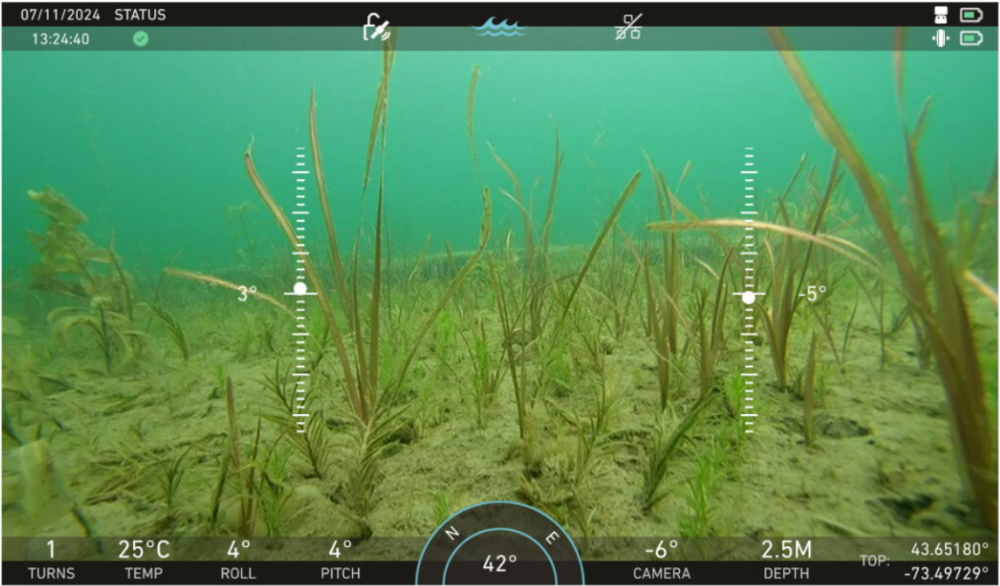
Photo: Dave Winkler
This is also the warmest layer of the lake, where temperatures can be comfortable to swim in for hours in the summer months. The surface gets mixed thoroughly because of turbulent wind action. This mixing is incredibly important for all life in this layer, because it distributes nutrients throughout the top for small zooplankton, and other living organisms grazing above.
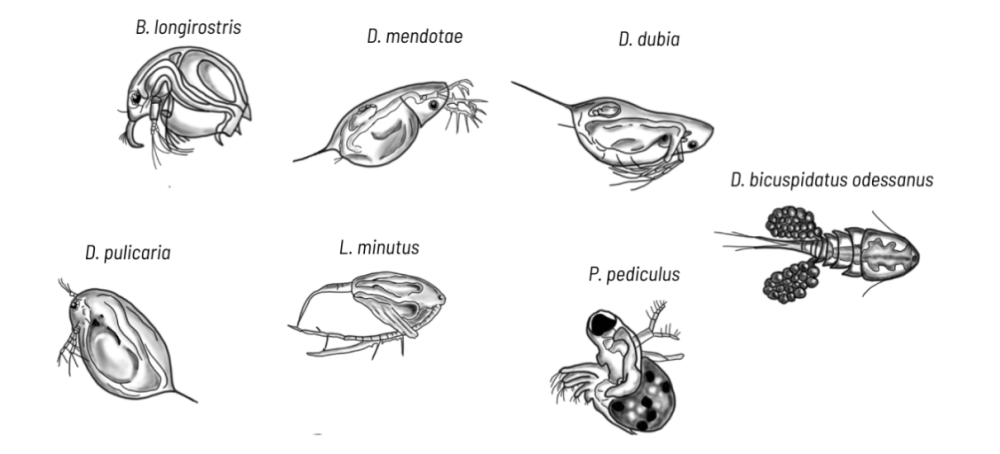
Here are some of the critters needed for the Lake George ecosystem, as seen using a microscope:
Graphic: Jasmine Antonucci
Metalimnion & Thermocline
The middle layer of the lake is called the Metalimnion, where you can find the area of the lake where the temperature changes extremely rapidly, known as the Thermocline. This separation creates an invisible barrier that prevents warm top water from mixing with lower layers during certain seasons.
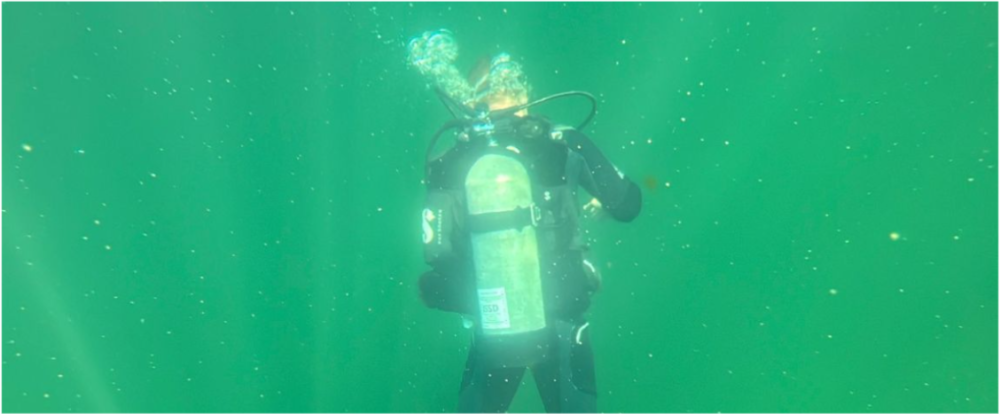
Photo: Dave Winkler
Hypolimnion
The further you go down in a lake, the closer you get to the Hypolimnion. The most dense, deepest, coldest layer falls right below the thermocline. The deepest part of Lake George is around 196 feet. Here there is very little, to no light, which means barren sediment, more rocks than vegetation, but you may be lucky to find cold water fish like Atlantic Salmon, or Lake Trout during the summer months.
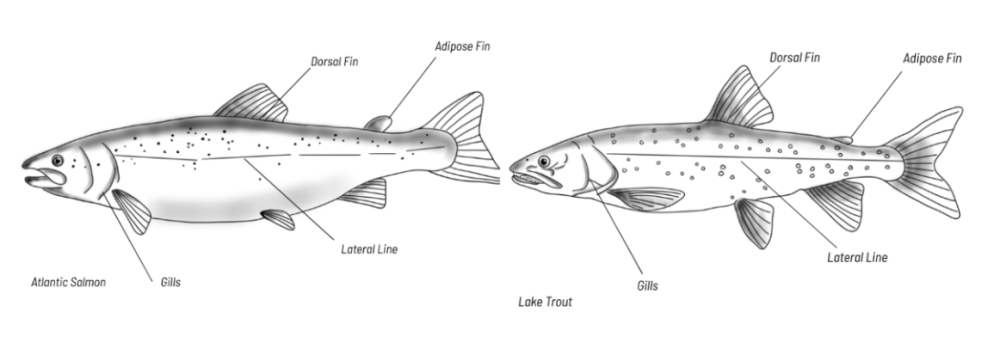
Graphic: Jasmine Antonucci
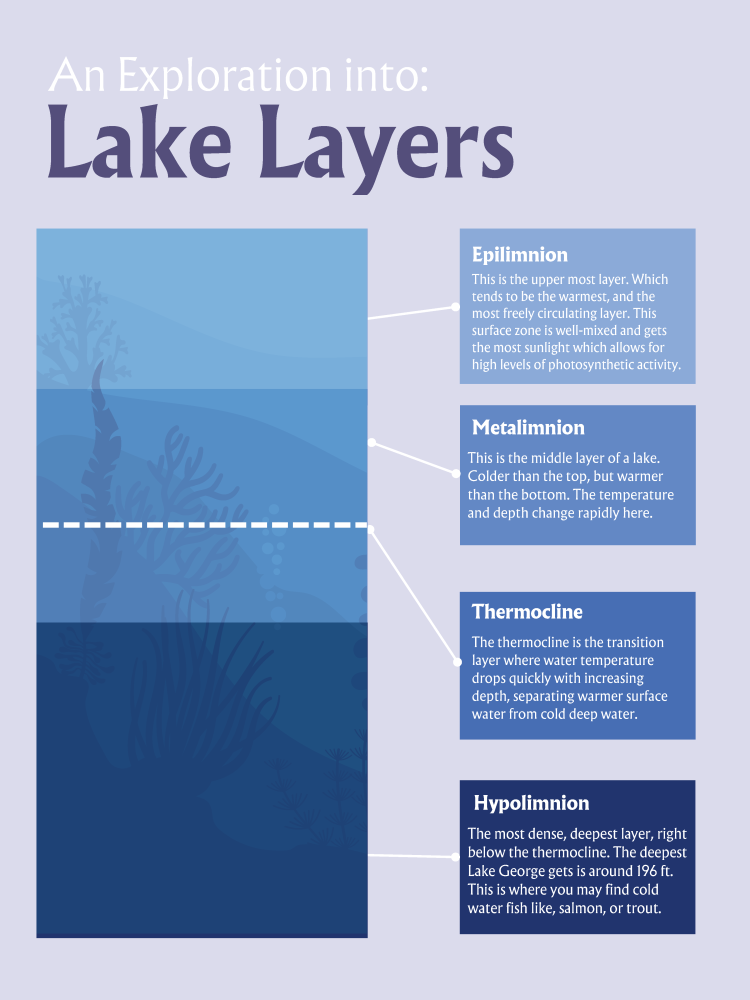
Graphic: Jasmine Antonucci
Lake layers are incredibly important for the function and health of a lake ecosystem. Their characteristics change throughout the year, based on weather, so there may be more or less mixing in the water from one season to the next. This allows for certain organisms to grow, and for nutrients to continue being circulated throughout the lake!
The next time you take your boat out or swim in Lake George, just remember you are just scratching the surface of the lake's interesting depths. There is so much to explore in each layer, from different zooplankton species and aquatic plant forests to the depths where the large fish linger. Take the time to notice, understand, and appreciate Lake George!
References:
Gasol, Josep M. Limnology. Jacob Kalff. International Microbiology International Microbiology, 2010.